
Brow Lift in Jupiter, FL
A brow lift raises sagging brows and smooths forehead lines to open up the eyes and refresh the upper face.
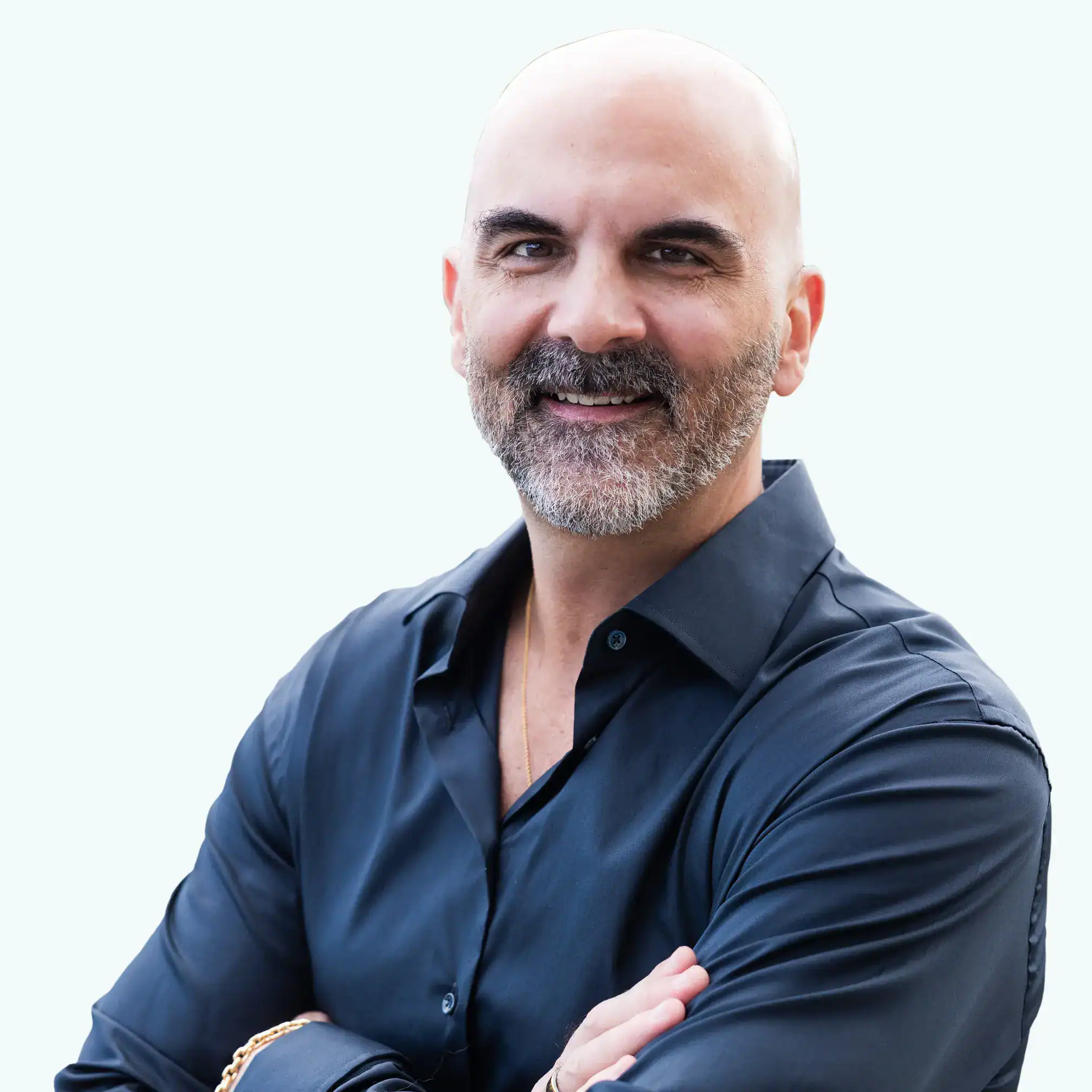
Meet David Rankin, MD
Dr. David Rankin is a board-certified plastic surgeon with decades of experience performing cosmetic and reconstructive surgery across Palm Beach County. Dr. Rankin currently serves as Chief of Plastic Surgery at St. Mary’s Medical Center and is one of Florida’s most renowned plastic surgeons.

Meet Allyson Deziel, MD
Dr. Allyson Deziel is a board-certified plastic surgeon with specialized training in facial surgery. She’s known for her compassionate patient care and personalized treatment plans built around each patient’s goals. Dr. Deziel is a member of the Palm Beach County Society of Plastic Surgeons and the Medical Executive Committee at Jupiter Outpatient Surgery Center.
Before & After Arm Lift Photos
Results from real Aqua Plastic Surgery patients.
Before
After
Before
After
What Is a Brow Lift?
A brow lift is a surgical procedure that raises the brow and smooths the horizontal lines across your forehead. As the brow drops with age, it can sit lower over the eyes and make the upper face look heavy or tired. Raising it back to a natural position opens the eyes and softens a person’s entire expression.
Depending on the technique, the surgeon typically releases the tissues holding the brow down, lifts it into position, and secures it. Your surgeon can also adjust the muscles behind the vertical creases during the same procedure.
The right technique for you comes down to your anatomy, as forehead height, hairline position, and how far the brow has dropped all factor in. Your surgeon will perform a full assessment at your consultation.
Do I Need a Brow Lift or Eyelid Surgery?
Many patients who come in for eyelid surgery actually need a brow lift. A descended brow pushes forehead skin down onto the upper eyelid. This creates eye hooding even though the eyelid itself is completely normal.
Removing skin from the eyelid will not fix a problem that starts higher up. In fact, taking skin from the upper lid when the brow is the root cause pulls the brow down further.
There’s a simple way to tell the difference at home. Look in a mirror and gently lift the skin at the outer end of your eyebrow with a finger. If the hooding disappears and your eye opens up, the brow is contributing. If your lid still looks heavy with the brow raised, the eyelid itself likely needs attention.

Types of Brow Lift Surgery
Endoscopic Brow Lift
The most common approach today. Three to five short incisions are made behind the hairline, and a small camera lets your surgeon work beneath the skin without opening the forehead. The brow is then released, lifted, and fixed in position. Recovery is faster than open techniques and the incisions are hidden in the hair. This suits most patients with an average or lower hairline.
Hairline (Trichophytic) Brow Lift
For patients with a higher forehead. The incision sits along the front edge of the hairline rather than behind it, so lifting the brow doesn’t carry the hairline back with it. The tradeoff is an incision right at the hairline, though this is angled so hair grows up through it and hides the line as it heals.
Temporal (Lateral) Brow Lift
A smaller procedure targeting the outer third of the brow, where descent is usually most pronounced. Short incisions at the temples lift the outer brow and reduce hooding at the corner of the eye. It doesn’t address the central forehead, so it’s the right choice when the outer brow is the main area to be improved.
Coronal Brow Lift
The traditional open technique, with an incision running across the top of the scalp from ear to ear. It gives the most control over the entire forehead and the most powerful lift, and it’s used selectively now that endoscopic techniques handle most cases. Recovery takes longer and the incision is longer, but for significant brow descent it still does things the smaller approaches can’t.
Browpexy
The least intensive option. Through an upper eyelid incision, the outer brow is secured to the tissue underneath to keep it from dropping further. It’s often done at the same time as upper eyelid surgery, and it holds the brow in place more than it lifts it. Modest effect, minimal added recovery.
Surgical Brow Lift vs. Botox
We often get questions about the difference between Botox and a surgical brow lift. Understanding the strengths and limitations of each option is important to make the best decision.
How a Botox Brow Lift Works
Where your brow sits comes down to two sets of muscles pulling against each other. One group pulls down, the other lifts. Botox weakens the ones pulling down, which lets the lifters win by a small margin and settles your brow a few millimeters higher. The same injections soften the vertical creases between your brows.
Horizontal lines are trickier. They come from the same muscle that does the lifting, so relaxing it enough to smooth them can leave your brow lower than where it started. Your injector has to leave part of that muscle working, and getting that balance right is the whole skill.
When Brow Lift Surgery Is the Better Answer
Botox borrows a few millimeters by relaxing muscle, with the effect fading within a few months. Surgery moves the brow itself and has a much longer result which can last for a decade or more.
That difference adds up. Maintaining a Botox brow on the upper face means coming back multiple times a year, every year, for a result that was never built to go as far.
The real question is how far your brow has dropped. If it feels heavy over your eyes, Botox will typically soften the look without lifting you far enough to fix it.
Using Both
These aren’t competing choices for most patients. Plenty of people start with Botox in their 40s, get years of good results, and move to a brow lift when the effect stops being enough. Others have a brow lift and continue with injections afterward to maintain the forehead lines. During your consultation, Dr. Rankin or Dr. Deziel will tell you honestly which one your situation calls for.
Am I a Good Candidate for a Brow Lift?

The best candidates for a brow lift are in good general health, bothered by a heavy or descended brow, and looking for a change that lasts.
Brow Position
The main thing your surgeon will assess is how far the brow has dropped and whether it’s dropped evenly. Most people have some natural asymmetry between the two sides, which can become more noticeable with age. Correcting this is part of the plan rather than a complication.
Forehead Height and Hairline
These decide which technique you’re a candidate for. A high forehead rules out approaches that would raise the hairline further, and a receding or thinning hairline changes where an incision can be hidden. Both are assessed at consultation.
Age
Everyone is different, and ultimately there’s no perfect age for a brow lift. Patients in their late 30s sometimes have significant brow descent, and patients in their 60s sometimes have very little. What matters is the degree of descent and your skin quality, not the number.
Smoking and Healing
Smoking constricts the small vessels that supply the scalp and forehead, which slows healing along the incision and raises the risk of problems at the hairline. Most surgeons will ask you to stop several weeks before surgery.
What to Expect for Your Brow Lift

Before Surgery
You’ll receive detailed pre-operative instructions covering which medications to avoid, what to eat and drink beforehand, and how to prepare at home. You’ll also need to arrange for someone to drive you home and stay with you for the first night.
During Surgery
A brow lift takes 1 to 2 hours depending on the technique and whether other procedures are included. It’s typically performed under general anesthesia or local anesthesia with sedation.
Before you go under, your surgeon marks the brow position while you’re sitting upright, since brows sit differently lying down. The tissues are released, the brow is repositioned, and it’s secured with sutures or small internal fixation devices.
Recovery
Sleep with your head elevated for the first week. It’s the single most effective thing you can do to control swelling, and it makes a visible difference in how fast the bruising clears.
Any swelling and bruising peak around day 2 or 3, and often settle around the eyes rather than staying in the forehead. Most of the visible bruising resolves within 10 to 14 days. Numbness across the forehead and scalp is normal, sometimes with itching as the nerves recover – this typically resolves over several weeks to a few months.
Most patients return to desk work in about a week to 10 days. Hold off on lifting, bending, and exercise until your surgeon clears you, usually around 3 to 4 weeks.
Results
You’ll notice the change immediately, though swelling makes the brow sit higher at first than where it will settle. The final position becomes clear over about 3 months. Results from a brow lift typically last a decade or more, though the face continues to age around them.
Frequently Asked Questions
No, not when performed by an experienced surgeon like Dr. Rankin or Dr. Deziel. The “surprised” look comes from over-elevating the brow, particularly at the center. A high quality brow lift raises the outer brow more than the inner, which is the natural shape of a youthful brow, and adjusts the muscles rather than simply pulling skin upward.
Not once you’ve healed. With endoscopic and coronal approaches, the incisions sit behind the hairline and are covered by hair. With a hairline brow lift, the incision sits at the front of the hairline and is placed at an angle so hair grows through it. Temporal incisions sit at the temples within the hair.
Every surgery carries some risk, but serious complications are uncommon with a brow lift. Risks include infection, bleeding, and temporary weakness in the muscles that raise the eyebrow, which resolves on its own in most cases.
Numbness across the forehead and scalp is expected and usually resolves over several weeks to a few months. Some patients notice mild asymmetry as swelling comes down unevenly, which typically settles on its own. Hair thinning near the incision can occur and is usually temporary. Dr. Rankin or Dr. Deziel will walk you through all of this during your consultation.
A brow lift typically lasts a decade or more. Since the brow is repositioned and secured, it doesn’t simply fall back to where it started. Your face continues to age around the result, so the forehead lines will soften and return gradually over the years, which is why some patients maintain the result with Botox afterward.
Some temporary thinning around the incision is possible as the area heals, but hair typically grows back. Incisions are placed to avoid disrupting hair follicles, and the hairline approach in particular is designed so hair grows through the scar rather than being pushed back from it.